
No Matter How Much - 아무리 …도
아무리 is a typical way to express frustration, or a concessive logic. It means “No matter how much … verb.” When you say 아무리, your…
아무리 is a typical way to express frustration, or a concessive logic. It means “No matter how much … verb.” When you say 아무리, your…

Koreans say “다행이다” when things turn out to be better than expected in tough situations or in unfortunate accidents. It is conceptually equivalent to “It’s…

Adverbial predicate: A-처럼 / A-같이 (… like A) => Followed by a verb or an adjective. 남남처럼 살아가다 = Keep living like strangers 꽃처럼…

그만 is such a mysteriously difficult Korean adverb that it deserves an honorary mention here. In many sentences, it means “stop” doing something, so it…

Korean is an agglutinative language. It is of paramount importance to pay attention to ENDINGS of verbs and adjectives in Korean, since they work like…
그가 그렇게 얘기한 것 같아요. = It seems that he said so. 그거 이제 알 것 같아요. = I think I understand that now. 이…

In English, as in some other languages, saying the word “please” is one of the few ways to make you sound more polite and respectful,…

In English, to modify a noun with a clause, you say a relative pronoun (which, who, what, that, whom, when, where) AFTER the noun, followed…

It is very easy to say you “can” in Korean, if you already know how to conjugate the verb in future tense. Yes, just add…

How do you say things in past tense in Korean? It’s very simple for most verbs. For example, many Korean verbs end in 하다. Just…
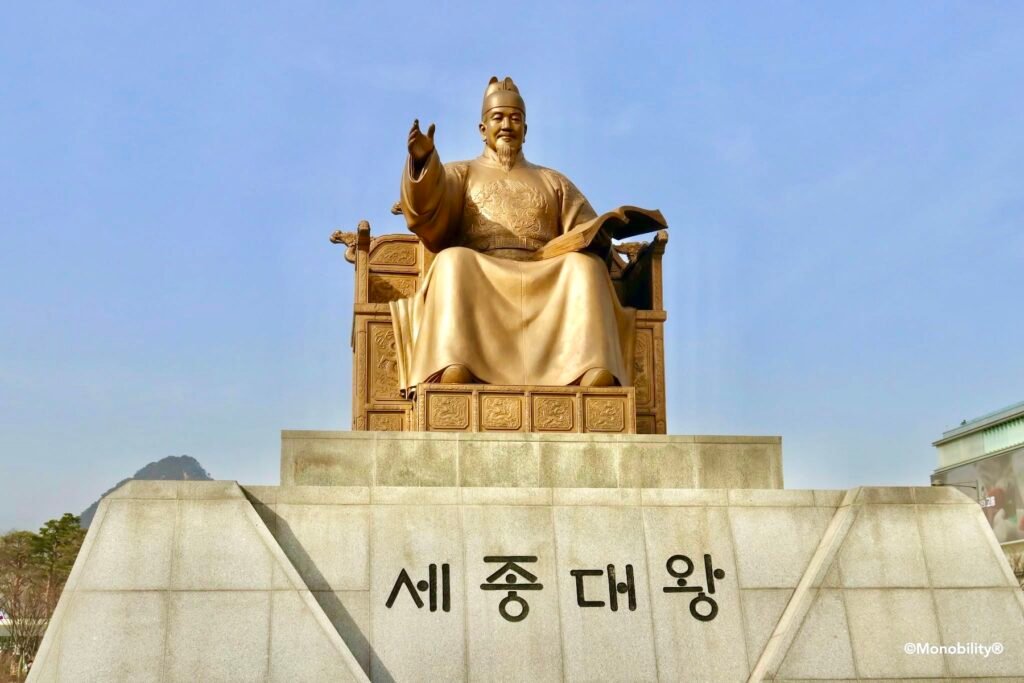
Today is 한글날 Hangul Proclamation Day (Korean Alphabet Day), October 9, celebrating the proclamation of 한글, the Korean alphabet created by 세종대왕 Sejong the Great…

In the previous Quiz 76, I explained 말음법칙 (Final Consonant Sound Rule) as follows: “The syllables ending with ㅅ ㅆ ㅈ ㅊ ㅌ ㅎ =>…