
A Taxi Driver and a Foreign Journalist - 택시 운전사 (2017)
In general, “속” means “inside” of anything, any object. 동굴 속에 들아가 보자 = Let’s get inside the cave. 상자 속에 아무 것도 없었어…
In general, “속” means “inside” of anything, any object. 동굴 속에 들아가 보자 = Let’s get inside the cave. 상자 속에 아무 것도 없었어…
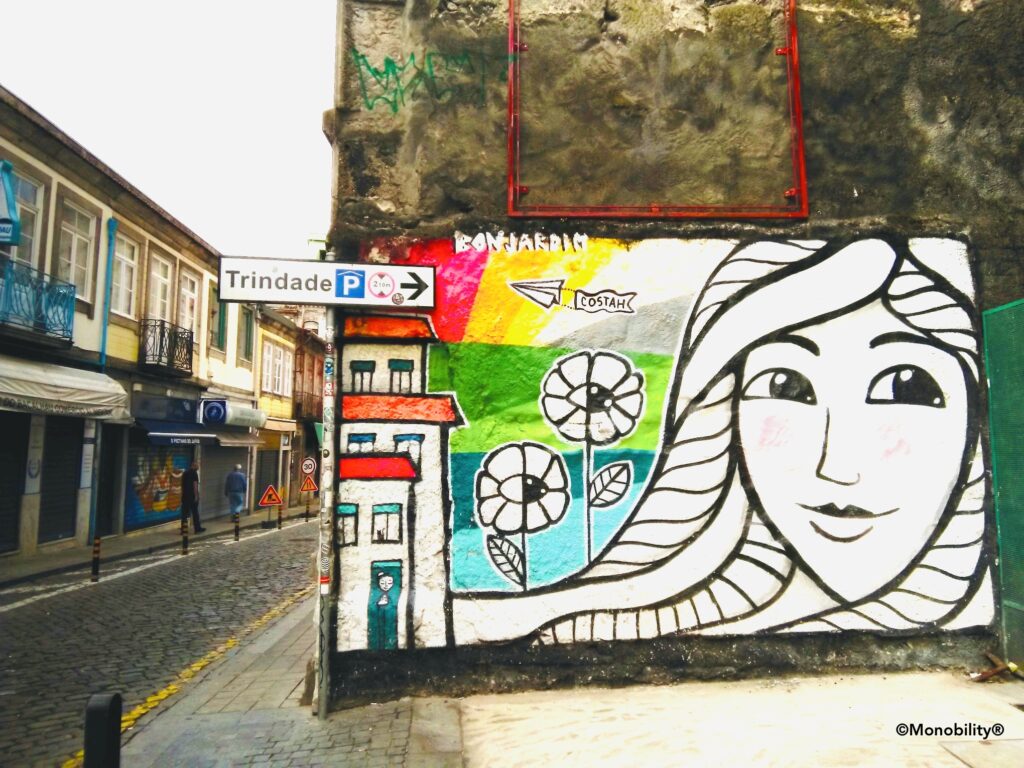
Colloquial Personal Pronouns (as they are spoken most often in informal conversations with close friends, brothers/sisters, boy/girlfriends, etc. – 1st/2nd person singular): Nominative: 난 =…

Poetry inspires us to learn more about a foreign language or culture, once we learn some basics. It is a great idea to start with…

그대: My Love. This is an elegant term used only in poems, songs, and other literature. That’s why you hear a lot of it in…

When you would like to informally tell your friends about what you realized from your own experience, you can use -더라 ending: 스페인 사람들은 하몬을…

남자 친구 (The Boyfriend a.k.a. Encounter, 2018) is one of the most artistic K-dramas ever made. If you understand Korean, you can find many, many…

시카고 타자기 (Chicago Typewriter, 2017) is one of those hidden masterpieces, oddly underrated for no obvious reason. With its backdrop switching between the glamorous present…

아무리 is a typical way to express frustration, or a concessive logic. It means “No matter how much … verb.” When you say 아무리, your…
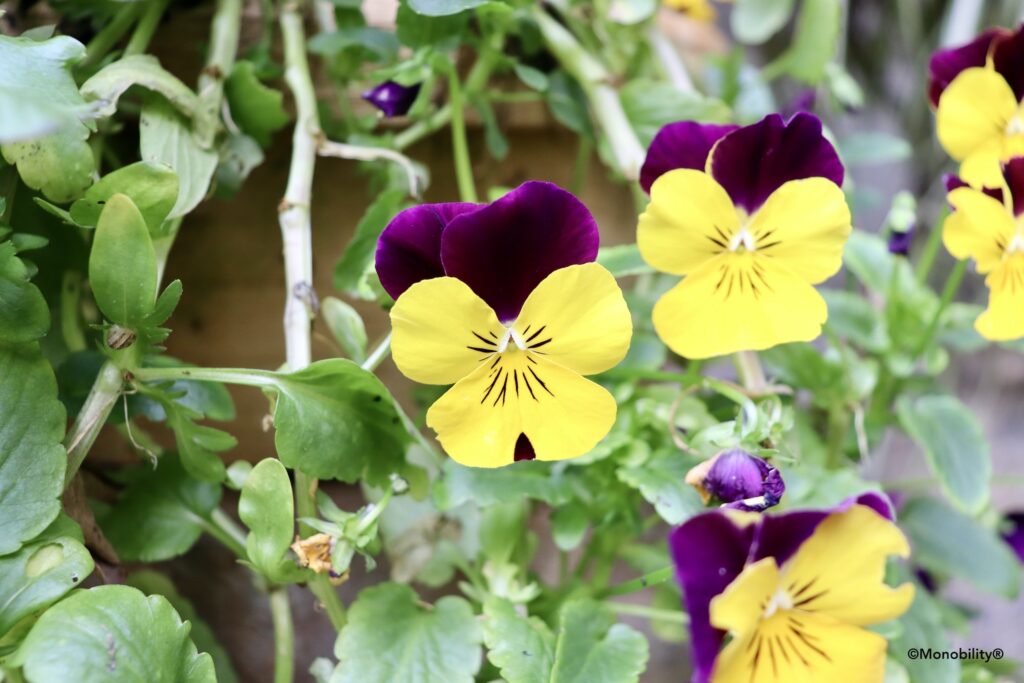
Koreans say “다행이다” when things turn out to be better than expected in tough situations or in unfortunate accidents. It is conceptually equivalent to “It’s…

오-지마세요: Don’t come. (Command – Negative, polite) 오-셨어요: Came (Past tense – Positive, polite); “참 잘 오셨어요 = Informal/friendly way to say “Welcome!” (instead of…
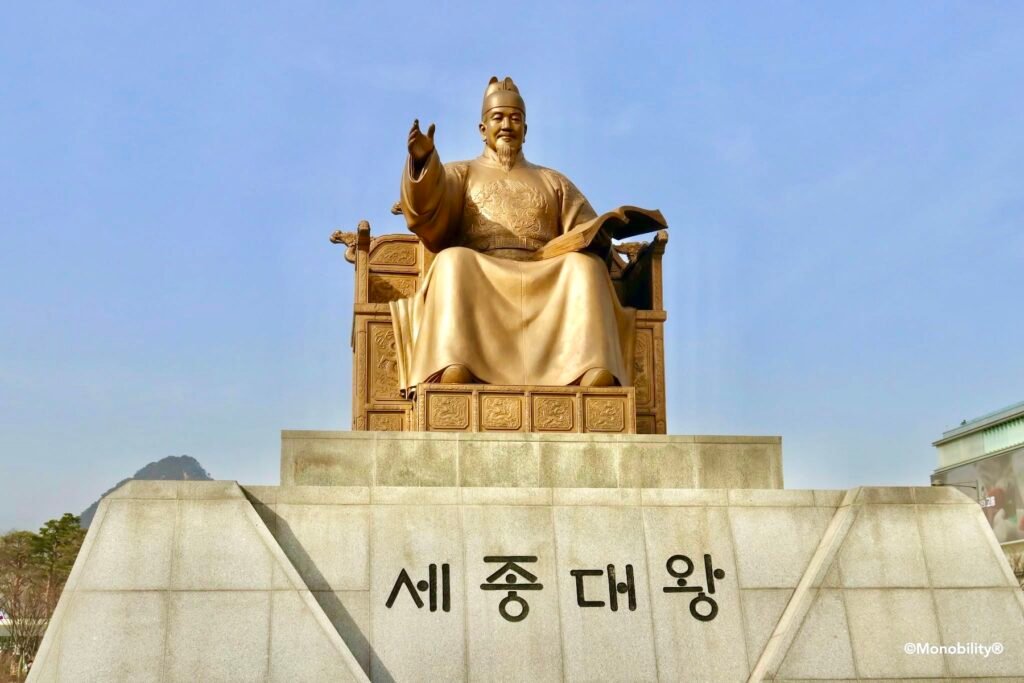
Today is 한글날 Hangul Proclamation Day (Korean Alphabet Day), October 9, celebrating the proclamation of 한글, the Korean alphabet created by 세종대왕 Sejong the Great…

In the previous Quiz 76, I explained 말음법칙 (Final Consonant Sound Rule) as follows: “The syllables ending with ㅅ ㅆ ㅈ ㅊ ㅌ ㅎ =>…