Whether native or foreign, languages are a major means of communication for humans. Nowadays, fortunately for us lazy humans, AI does a decent job of gathering and organizing information and data necessary for our daily lives. But what AI still can’t do is the emotional, often subliminal, communication required to build relationships between humans and keep them alive over time. Those are the heartwarming words and sentences that your teachers and typical language courses do not teach you. And more often than not, many of us somehow don’t say enough of those words of encouragement, validation, and appreciation to our friends and loved ones. Then later in life, we regret not saying them often enough.
Luckily, in Korea, you will find numerous text signs with humorous, amusing, and heartwarming messages everywhere, including parks and public restrooms. As an avid Korean learner, you would easily understand the meanings if you pay attention to them. You might pick and choose the ones you like and say them more often to other humans around you, whether in your native tongue or a foreign one. Most likely, those seemingly “useless” words and sentences will save your relationships, which is a hundred times more important in life than quick AI-generated information/data analysis in so-called “useful” words on your phone.
Quiz #1: In the first video, you can find the following words and sentences from various text signages I found in Yeouido Park in Seoul. Can you translate them into your language?
그래, 가끔 하늘을 보자!
말도 안 되게 예쁜 당신
고생했어. 토닥토닥
괜찮아, 잘될 거야!
오늘도 고생 많았어
그쪽으로 나란히 걸어볼까 하여
당신을 응원해요
조금 쉬어도 괜찮아
오늘 하늘, 내 맘속에 저장하자
찔리지 말자, 아픈 말에
꽃길만 걸어요
Quiz #2: The second video shows excerpts from four different episodes of Mr. Sunshine (2018), where 이병헌 and 김태리 say famous lines (명대사) consecutively, like a recurring literary theme or a leitmotif in an opera. One of the text signs in the first video captures them in one sentence. Which sentence is it?
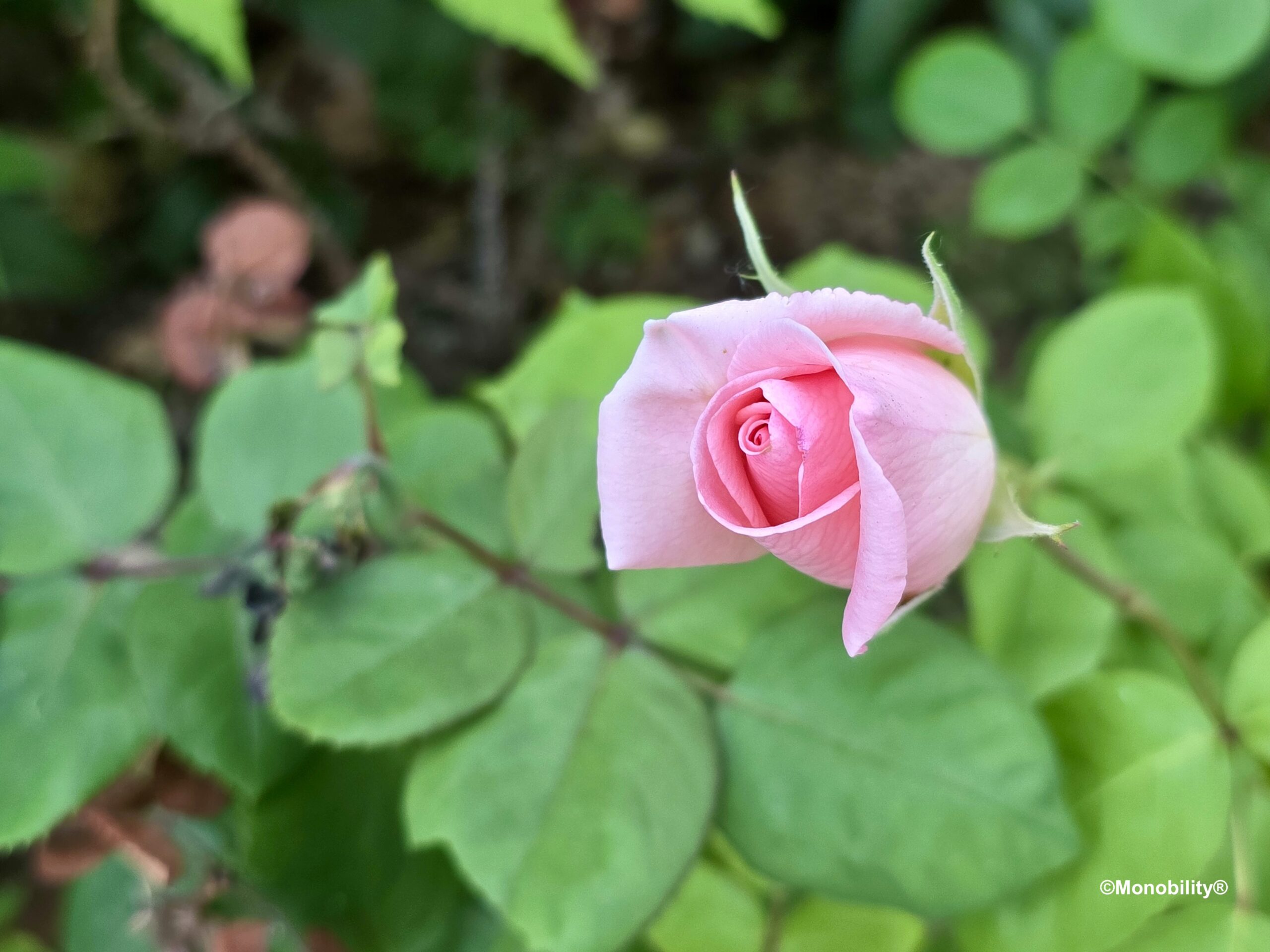
“O rose of May, Dear maid, kind sister, sweet Ophelia!
O heavens, is ’t possible a young maid’s wits
Should be as mortal as an old man’s life?”
William Shakespeare (c. 1565 – 1616), Hamlet, Act 4, Scene 5
Monobility® Group