
How I Wish to Go - 가고파 by 이은상
Do you live, by any chance, far away from your hometown? Do you often miss your hometown? If so, no matter where you live now,…
Do you live, by any chance, far away from your hometown? Do you often miss your hometown? If so, no matter where you live now,…
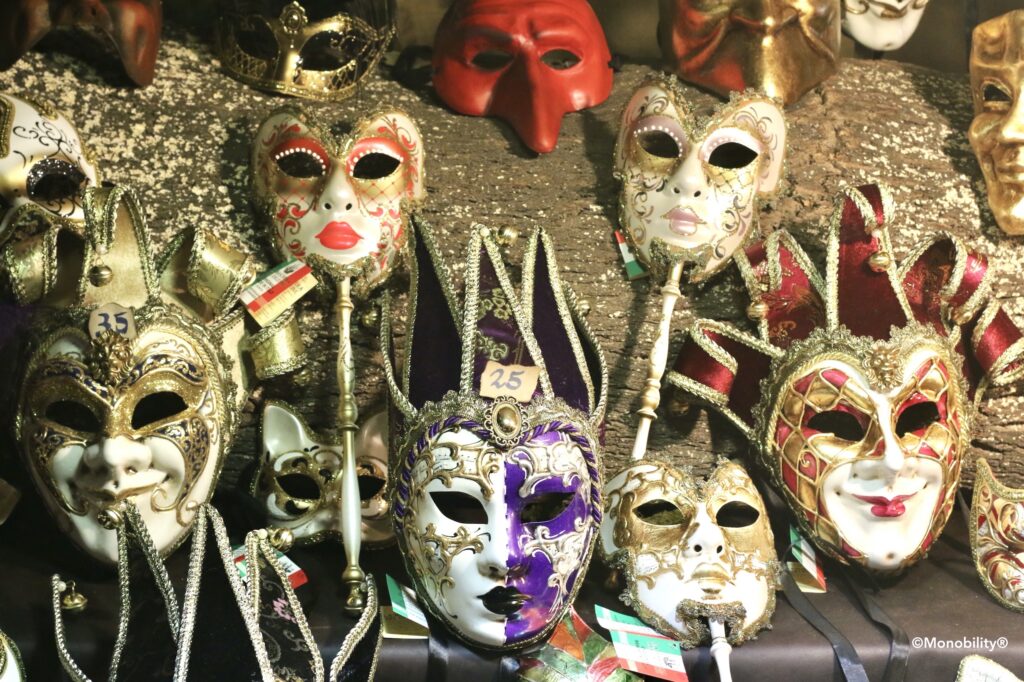
Subjunctive (or conjunctive) mood is one of the features of European languages that often perplex Korean speakers. In Korean, there is no such thing as…

The English word “wonder” as a verb has such a wonderful meaning: to be curious, to want to know. In Korean, the same act of…
How do you know somebody is talking about the past? In Korean, “ㅆ” in the final position of a verb is a surefire way to…
About 80 years ago, none of you would have been able to learn Korean and 한글, even if you had traveled to, and lived in…
It is not always easy to ask a perfect stranger to do a favor for you. If you are in a foreign country, the best…

In everyday informal conversations, you can omit object particles -를/-을 if the object is obvious. But such omissions, if overused, may make you sound like…

-처럼 is one of the ways to make a direct comparison (simile) in Korean. In English, it corresponds to the preposition “like,” or to the…
Le verbe 보다 est sans doute le mot le plus couramment utilisé dans le vocabulaire coréen. Il fait référence à des activités liées aux «…
Unlike English, Korean clauses sometimes use verb endings that do not actually END a sentence. Such Non-Sentence-Final Endings often sound like they have finished the…

In the previous Quiz 76, I explained 말음법칙 (Final Consonant Sound Rule) as follows: “The syllables ending with ㅅ ㅆ ㅈ ㅊ ㅌ ㅎ =>…

Pensate a Cristiana Capotondi catapultata sul palcoscenico de La Traviata con scenografie e costumi classici. Il suo italiano è in un registro e tono colloquiale…